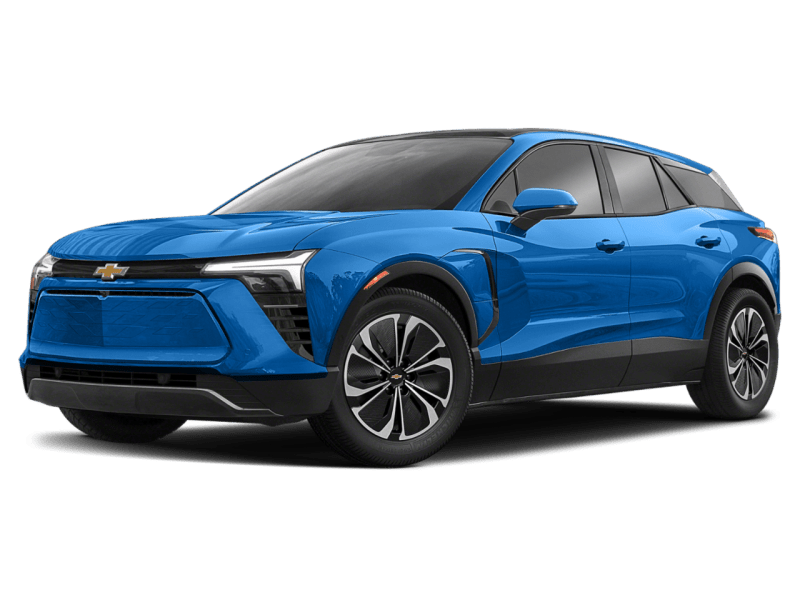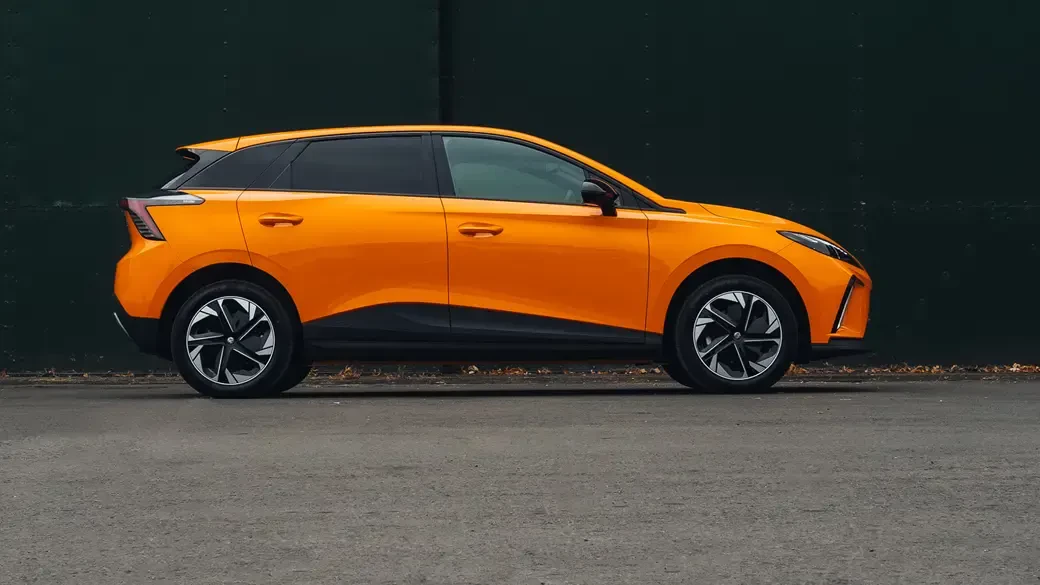
Electric vehicles (EVs) are more than just a cool way to get around—they're also playing a big role in reshaping how we use and manage energy. As more people switch to EVs, we're starting to see how these vehicles can actually communicate with the energy grid. It’s a neat concept that blends transportation and energy usage in a way that benefits everyone.
One of the coolest features of EVs is their ability to store energy. Instead of just using power from the grid, EVs can charge up during off-peak hours when electricity is cheaper and more abundant. Then, during peak times—say, when everyone is cranking up the air conditioning—they can feed that stored energy back into the grid. This helps stabilize the energy supply and can even reduce electricity costs for everyone.
This back-and-forth between EVs and the electricity grid creates what we call vehicle-to-grid (V2G) technology. By enabling this kind of interaction, we can help prevent blackouts and keep everything running smoothly, especially as renewable energy sources like solar and wind become more common. Think of it as a team effort, with EVs acting like little energy powerhouses on wheels!
As we dive deeper into this transition to electric driving, we're starting to see the infrastructure evolve too. Charging stations are popping up everywhere, which makes owning an EV more convenient than ever. And as more of these vehicles hit the roads, we're not just reducing emissions but also paving the way to a smarter, more efficient energy grid that can adapt to our changing needs.
Benefits of Electric Vehicles for Everyone
Electric vehicles (EVs) are more than just a trend; they're changing how we think about energy and transportation for the better. One of the biggest perks is their environmental impact. Unlike traditional gas-powered cars, EVs produce zero tailpipe emissions. This means cleaner air for everyone—especially in crowded cities where air quality can be a major concern.
But it's not just about going green. EVs can save you money in the long run. Charging an electric vehicle can be significantly cheaper than filling a gas tank, and many regions offer incentives and rebates for EV buyers. Plus, maintenance costs are generally lower since electric cars have fewer moving parts than their gas counterparts. Say goodbye to those frequent oil changes and expensive engine repairs!
Electric vehicles also offer a smooth and quiet driving experience. The instant torque means you'll feel the power right when you hit the accelerator, and you won’t have to deal with the noisy engine roar that comes with traditional cars. It makes for a more pleasant and serene ride, whether you're commuting to work or taking a road trip.
Additionally, as more people adopt EVs, we start to see improvements in our energy grid. With smart charging options, EVs can help balance electricity demand. They can charge during off-peak hours when energy is cheaper, and some can even feed power back into the grid when needed. This helps stabilize the grid and encourages the use of renewable energy sources, making it a win-win for all of us.
How EVs Impact Energy Supply
Electric vehicles (EVs) are more than just a way to get around; they’re changing how we think about energy supply. As more people switch from gas-powered cars to EVs, the demand for electricity starts to shift. This isn't just a small change; it's a big deal for our energy grids.
When lots of folks have EVs, we see an increase in electricity demand, especially during peak hours when everyone gets home from work and plugs in. This means energy providers need to adapt, either by ramping up electricity production or finding ways to manage this demand better. It's like hosting a party: as more guests arrive, you need to make sure there's enough food and drinks for everyone!
On the bright side, EVs can also help to stabilize our energy supply. With the rise of renewable energy sources like solar and wind, having more EVs on the road can improve things. How? Well, when EVs are charged during off-peak hours or when there's excess renewable energy available, they can act like a sponge, soaking up all that extra power. This means we can use clean energy more efficiently instead of wasting it.
Then there's the concept of vehicle-to-grid (V2G) technology, where your parked EV can actually send energy back to the grid. Imagine your car helping power your home or even feeding energy back into the grid during high demand. It turns your car into a mini power station, which is pretty cool and adds flexibility to our energy system.
Future Trends for Electric Vehicles and Energy
As we look ahead, the future of electric vehicles (EVs) is shaping up to be more exciting than ever. One of the key trends is the growing integration of EVs into our energy grid. Just imagine your car not only getting you from point A to point B but also powering your home during peak hours. Vehicle-to-grid technology is on the rise, allowing electric cars to send energy back to the grid when they're not in use. This could significantly stabilize energy supply during high-demand periods.
Another trend to watch is the expansion of charging infrastructure. Cities are ramping up efforts to create more charging stations, making it easier than ever to charge your EV while you run errands or grab coffee. Plus, with advancements in fast-charging technology, the time it takes to charge is decreasing. Some stations can get your battery back to 80% in just 30 minutes!
We're also seeing a push towards renewable energy sources. Many EVs are being charged by solar or wind power, reducing our reliance on fossil fuels. As more homes switch to solar panels, the combination of solar energy and EVs could lead to a drastic reduction in carbon footprints. It's like having your very own clean energy powerhouse parked in your driveway.
Finally, battery technology is making huge strides. The next generation of batteries promises longer ranges, faster charging times, and even lower costs. This means more people will choose EVs because they’re not just practical but more affordable over time. As batteries get better, we can expect to see even more drivers making the switch, leading to a cleaner and more sustainable future.